
The check engine light is a small but powerful indicator on your dashboard. When it illuminates, it can spark anxiety and raise countless questions. Is it something minor? Is your car safe to drive? Or is it the sign of a costly repair?
This warning light is your car’s way of signaling that something isn’t right. However, the causes can range from a loose gas cap to more serious engine troubles. Decoding what your vehicle is trying to tell you is key to avoiding further damage and unnecessary expenses.
This guide will walk you through the most common causes of a check engine light, how to respond when it comes on, and steps to maintain your car’s health.
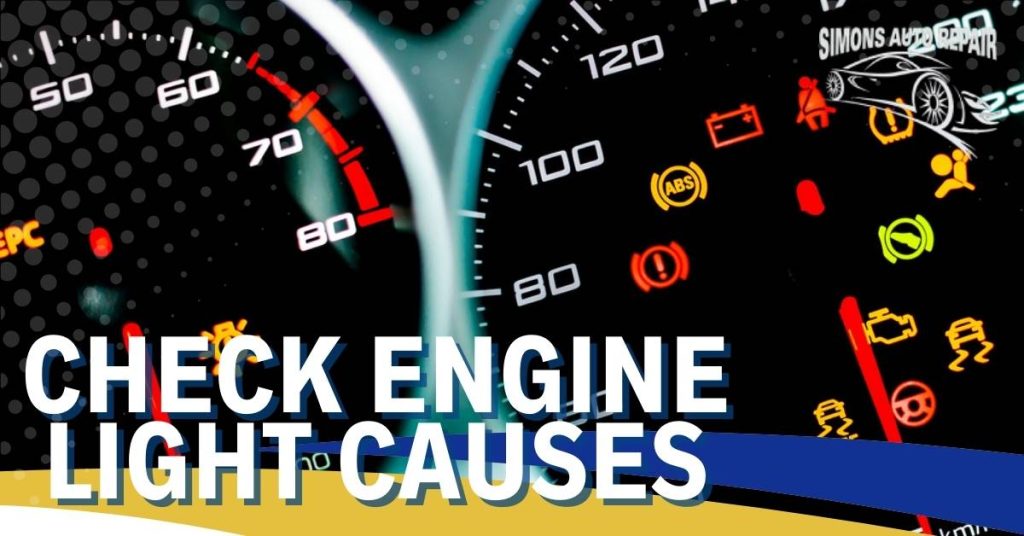
What the Check Engine Light Really Means
TThe check engine light is an integral component of your vehicle’s onboard diagnostics system (OBD-II). It lights up when the system identifies a problem that impacts emissions, fuel efficiency, or engine performance. Depending on the seriousness of the issue, the light may stay on or flash.
A steady light typically indicates a less urgent problem, such as a faulty sensor or minor issue with the exhaust system. A flashing light, on the other hand, is often a sign of a more serious issue like a misfire, which could damage the catalytic converter or engine.
Understanding the light’s behavior is the first step toward identifying and resolving the problem.
Common Causes of the Check Engine Light
One frequent trigger of a check engine light is a loose or damaged gas cap. While it may seem trivial, a defective gas cap lets fuel vapors leak out., disrupting the fuel system’s pressure and triggering the warning light. Checking and securing the gas cap is often an easy fix that resolves the issue.
Another common cause is a malfunctioning oxygen sensor. This sensor tracks the level of unburned oxygen in the exhaust system. If it fails, it can affect fuel efficiency and emissions. Ignoring this issue can lead to poor engine performance and damage to the catalytic converter.
A failing catalytic converter is another reason your check engine light may appear. This component is essential for reducing harmful emissions. When it malfunctions, your car may exhibit reduced performance and increased emissions.
Issues with spark plugs and ignition coils also frequently cause the check engine light to illuminate. Faulty spark plugs can lead to engine misfires, reduced fuel efficiency, and difficulty starting your car. Replacing worn plugs and coils can usually resolve this problem.
A malfunctioning mass airflow (MAF) sensor could also be to blame. The MAF sensor gauges the volume of air entering the engine, helping to adjust the fuel-to-air ratio for efficient combustion. When the sensor fails, it can result in reduced fuel efficiency and inconsistent engine performance.
Practical Check Engine Light Diagnosis in Action
A driver noticed the check engine light illuminate shortly after filling up their gas tank. Concerned, they brought the car to a repair shop, where a diagnostic scan revealed a “small leak detected” code. The mechanic quickly identified the cause: a cracked gas cap seal. Replacing the gas cap resolved the issue immediately, and the driver left with peace of mind knowing their vehicle was in good shape.
How to Respond When Your Check Engine Light Comes On
When the check engine light comes on, staying calm and assessing the situation is important. Start by checking for obvious issues like a loose gas cap. Tightening it might resolve the problem, and the light will often turn off after a few driving cycles.
If the light remains on, use an OBD-II scanner to retrieve the diagnostic trouble codes (DTCs). These codes provide valuable insight into the issue and can help you decide whether immediate action is necessary.
A flashing check engine light should always be treated as an emergency. If this occurs, reduce your speed, avoid heavy acceleration, and have your vehicle inspected by a professional as soon as possible.
Ignoring the light for an extended period can lead to more severe damage, reduced fuel efficiency, and costly repairs. Proactive maintenance and quick responses to warning lights are the best ways to keep your car running smoothly.
Preventative Measures to Avoid Check Engine Light Issues
Routine maintenance is your best defense against unexpected check engine light triggers. Regularly inspecting and replacing components like spark plugs, filters, and sensors can prevent many common problems.
Using high-quality fuel and following your manufacturer’s recommended service schedule also helps ensure your vehicle’s systems function optimally.
Additionally, staying vigilant about fuel system components, such as the gas cap, can prevent unnecessary warning lights. Simple checks before and after fueling your car can save time and frustration.
FAQs
Why does my check engine light come on after getting gas? This often happens when the gas cap is loose or damaged. A secure gas cap maintains the pressure in the fuel system, so always double-check it after refueling.
Can a check engine light reset itself? Yes, the check engine light may turn off on its own if the issue resolves. For example, tightening a loose gas cap can cause the light to reset after several driving cycles.
Is it safe to drive with the check engine light on? If the light is steady, it’s usually safe to drive to a repair shop for further diagnosis. However, a flashing light indicates a serious issue, and you should stop driving immediately to avoid engine damage.
What is the most common reason for a check engine light? The most common causes include a loose gas cap, faulty oxygen sensor, or spark plug issues. Diagnosing the specific code will help pinpoint the exact problem.
How much does it cost to fix check engine light issues? Costs vary depending on the problem. Simple fixes like replacing a gas cap can cost under $20, while more complex repairs like replacing a catalytic converter can run several hundred dollars or more.
The check engine light serves as your car’s alert that something requires attention. The reasons behind it can vary from simple issues, such as a loose gas cap, to more significant problems like a malfunctioning catalytic converter. Knowing what triggers the light is essential for addressing the issue promptly and efficiently.
Addressing check engine light issues promptly ensures your vehicle remains safe, efficient, and reliable. Staying proactive with routine maintenance and responding to warning lights helps you avoid costly repairs and unexpected breakdowns.
Take charge of your car’s health by learning to recognize the signs early. If your check engine light comes on, don’t ignore it—use the opportunity to catch small problems before they turn into major repairs. Keep your car running at its best and enjoy the confidence that comes with a well-maintained vehicle.