
When you’re driving around Abington—whether navigating the hill near Waverly Street or cruising highways like US‑3—you rely on responsive brakes. Yet many drivers don’t realize how easily brake performance can degrade under heavy use. Known as brake fade, this phenomenon reduces stopping power when the system overheats or loses friction — and in local driving conditions, it’s more common than you think. In this post, we’ll explore what brake fade is, how it develops, why it matters for Abington drivers, practical prevention methods, a real‑world case study, supporting research data, and wrap up with FAQs tailored for our area.
What is Brake Fade?
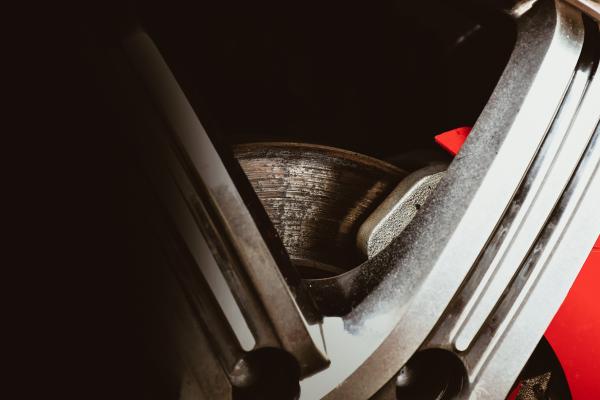
Brake fade occurs when your vehicle’s braking system loses effectiveness, typically due to excessive heat or component stress. The result: you press the pedal and feel it go soft, or you notice the car takes longer to stop. According to research, “brake fade … is a reduction or complete failure of stopping power in a vehicle’s braking system” caused by overheated pads or fluid.
Here are the key types:
- Pad/rotor fade: Friction material overheats, reducing the coefficient of friction.
- Fluid fade: Brake fluid absorbs moisture, lowers its boiling point—then vapor bubbles form under heavy use.
- Green fade: Occurs when brakes haven’t been “bed in” properly after installation and overheated.
Understanding what brake fade means helps you recognize it early—and that’s especially vital when driving the mixed terrain and conditions in Abington.
How Does Brake Fade Develop? (The Process)
1. Heat Accumulation
- When you brake repeatedly, especially downhill or in stop‑and‑go traffic, the kinetic energy converts to heat in the discs, pads, calipers, and fluid. One study on disc brake systems found that peak temperatures greatly depend on braking patterns, and certain patterns kept temperatures below critical levels.
2. Friction Breakdown & Vapor Layer
- If the brake pad gets too hot, the friction material can degrade or release gases, creating a thin “gas film” between pad and rotor, reducing contact and stopping power.
3. Fluid Boiling
- In hydraulic systems, moisture‑laden fluid has a lower boiling point. Under sustained braking, the fluid can vaporize, leading to a soft or “spongy” pedal.
4. Component Stress & Structural Changes
- Discs can warp or develop thickness variation after heavy use. Rotors with less effective cooling (fewer vanes, no slots/drills) struggle to shed heat. One paper notes that rotor design (material, vanes) can influence fade performance.
Why This Matters for Abington, MA Drivers
Local Driving Conditions Increase Risk
- Hilly slopes and descents: There are inclines near the Blue Hills Reservation and routes into Abington where sustained braking may happen.
- Stop‑and‑go traffic: Commuting in and out of Abington or into the greater Boston area can mean frequent braking—more heat build‑up.
- Weather and winter salt: New England winters expose brakes to moisture and salt, which can degrade components and reduce cooling efficiency.
- Towing, heavier loads or multiple uphill/downhill segments increase brake demand and heighten fade risk.
Real‑Life Impacts
Brake fade isn’t just a technical term—it affects your driving every day:
- Longer stopping distances when you least expect it.
- Soft or spongy brake pedal feel, especially after heavy use.
- Increased risk in emergencies—impaired ability to stop quickly on wet or icy roads common in Abington.
- More wear on brake components, which can increase maintenance costs.
Real‑World Case Study: Abington SUV and Preventive Braking Practices
A local Abington resident drives a mid‑size SUV that frequently commutes between Abington and Boston, with some steep declines on the return trip. The driver noticed that on one descent, the pedal felt soft and stopping distance seemed slightly greater.
Inspection and Findings
- Brake fluid was found to be old and had a high moisture content (boiling point reduced).
- Brake pads were rated for standard driving but not for heavy mountain‑style loads; the rotors were plain without enhanced venting.
- The driver habitually “ridden” the brakes on descents instead of using engine braking.
Preventive Actions Implemented
- Upgraded to high‑performance brake fluid with a higher boiling point.
- Installed a rotor with improved ventilation (vaned rotor design) and performance pad rated for higher temperature.
- Driver training: encouraged using engine braking (down‑shifting) and intermittent firm braking rather than constant light pressure.
- After these changes: the driver reported a firmer pedal after long downhill drives, fewer temperature warnings (from the built‑in system) and greater confidence on steep routes.
This example highlights how a combination of component upgrades + smarter driving techniques can significantly reduce brake fade risk—especially in a locale like Abington where terrain and commuting patterns matter.
Proven Prevention Methods for Brake Fade
Here’s a structured list of methods you can apply—some involve driving technique, others involve maintenance and component upgrades.
Driving Technique Adjustments
- Use engine braking: On steep descents, shift into a lower gear and let the engine assist in slowing the vehicle, reducing reliance on the brakes.
- Avoid “riding the brakes”: Constant light pressure generates heat without effectively slowing you; use firm, but spaced, brake applications (pulse braking) to allow time for cooling.
- Plan ahead: On known long downhill stretches (around Cliff Hill or Brockton line roads near Abington), reduce speed before braking heavily.
Maintenance & Component Considerations
- Brake fluid refresh: Replace brake fluid as per manufacturer or if you tow/have heavy use—moisture lowering boil point is a major factor in fade.
- High‑quality pads & rotors: Choose pads rated for higher temperature or performance use; rotors with better heat dissipation (slotted, drilled, vented) help manage thermal load.
- Inspect components for wear/corrosion: Given New England winters, ensure calipers release properly, check for rusted or stuck components that add heat or prevent cooling.
- Regular inspections: Periodic checks (every 12–18 months) of brake performance, fluid condition, rotor condition can help catch early fade risk before failure.
- Cooling & ventilation awareness: Ensure rotors are clean, avoid under‑vehicle modifications that restrict airflow around brakes.
Component Upgrade for Heavy Use
- For drivers who tow, drive hilly terrain, or have frequent downhill runs, a “fade‑resistant” upgrade kit (containing higher‑temp pads, vented rotors, braided lines) can be wise. Some systems reduce fade by significant margins.
What the Research Says About Brake Fade
One study found that thermal load caused by braking patterns had a major effect on brake fade in a 2 200 kg car — different braking styles kept peak temperatures below 600 K.
Research also shows that when rotor material, vane design, and heat dissipation improve, the system’s resistance to fade increases significantly.
Industry guidance consistently emphasizes that careful maintenance, fluid condition, and driving technique are central to preventing fade.
These findings back up what experienced technicians in Abington see every day: brake fade isn’t just about worn parts—it’s the result of heat, materials, and driver habits working together.
FAQs – Brake Fade Prevention in Abington, MA
- What exactly is brake fade and how can I tell if it’s happening in my Abington vehicle?
Brake fade is the loss of brake stopping power due to overheating or component stress. You might notice the pedal feels softer than usual, you travel farther when braking, or heavy braking leads to slower response.
- Does driving around Abington hills increase my chance of brake fade?
Yes. Descents, frequent stops, and traffic patterns in the Abington area increase brake load and heat‑build up, which raise the risk of fade if not managed properly.
- Can changing brake fluid help prevent fade on my commuter car in Abington?
Absolutely. Fresh brake fluid with a high boiling point helps resist vaporization under heavy use, which is a key cause of fade.
- Do I need expensive performance brakes to avoid fade in everyday driving around Abington?
Not necessarily. While high‑performance brakes help for heavy use, proper driving technique, quality standard components, and good maintenance often suffice for daily commuting in Abington.
- How often should I inspect my brakes to avoid fade in New England winters?
It’s wise to inspect your brakes annually, and especially check following winter season or heavy use. Because road salt and moisture in Abington can accelerate wear and heat‑related issues, being proactive helps.
Stay Safe with Smarter Braking: Final Thoughts for Abington Drivers
Preventing brake fade means more than simply replacing brakes when they wear out. It involves smart driving habits—especially in areas like Abington, MA—combined with quality maintenance and the right brake components. By using engine braking, avoiding constant light pedal pressure, refreshing brake fluid on schedule, and selecting fade‑resistant materials when needed, you help ensure consistent stopping power and safer driving all year.
If you’d like to dig deeper into related topics—such as choosing pad materials or determining the right inspection schedule—visit our other articles and stay informed.
➡️ When you’re ready for a professional brake check or have questions about upgrading your system, reach out to the team at Simon’s Automotive Service Center for an assessment.